
Introduction
PLID Specialist in Bangladesh Lower back pain is one of the most common health problems in Bangladesh. Among its major causes is PLID (Prolapsed Lumbar Intervertebral Disc), a condition that can lead to severe pain, leg numbness, and even muscle weakness if untreated.
With modern diagnostic tools like MRI and advanced surgical techniques, PLID treatment in Bangladesh has significantly improved. Leading medical institutions such as Bangabandhu Sheikh Mujib Medical University, National Institute of Neurosciences and Hospital, Square Hospitals Ltd., and Evercare Hospital Dhaka offer specialized spine care services.
In this detailed 2025 guide, we will discuss everything about PLID — symptoms, surgery, risks, recovery, cost, and how to find the best PLID specialist in Bangladesh.
What is PLID?
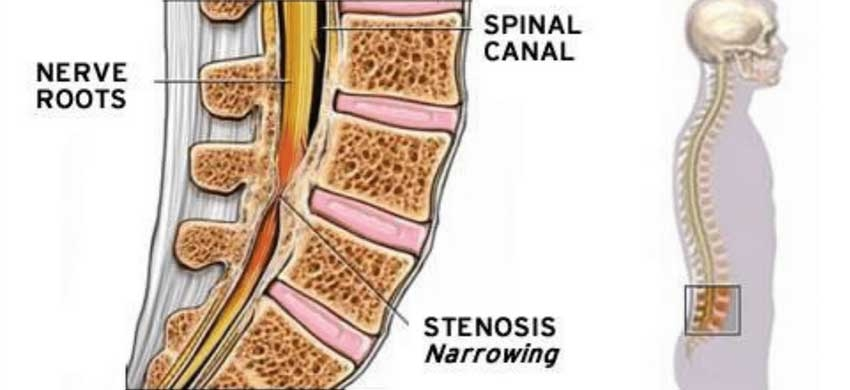
PLID (Prolapsed Lumbar Intervertebral Disc) occurs when the soft inner gel-like material of a lumbar spinal disc bulges or ruptures through its outer layer. This bulging disc presses on nearby spinal nerves, causing pain and neurological symptoms.
The lumbar spine (lower back) supports body weight and allows movement. When a disc prolapses, it can irritate the sciatic nerve, leading to sciatica.
PLID is commonly caused by:
- Aging and disc degeneration
- Heavy lifting
- Sudden twisting injury
- Poor posture
- Obesity
- Sedentary lifestyle
Symptoms of PLID
PLID symptoms vary depending on the severity of nerve compression.
Common Symptoms Include:
1. Lower Back Pain
Persistent pain that worsens with bending or sitting.
2. Sciatica
Pain radiating from lower back to buttock and down the leg.
3. Numbness or Tingling
Pins and needles sensation in leg or foot.
4. Muscle Weakness
Difficulty lifting foot or standing on toes.
5. Difficulty Walking
Severe cases may cause imbalance.
6. Bladder or Bowel Problems (Rare Emergency)
This may indicate cauda equina syndrome and requires immediate surgery.
If symptoms persist for more than 4–6 weeks, consult a PLID specialist.
When Surgery is Required
Most PLID cases improve with:
- Rest
- Pain medication
- Physiotherapy
- Epidural steroid injection
However, surgery is required when:
✔ Severe nerve compression
✔ Progressive muscle weakness
✔ Loss of bladder or bowel control
✔ Failure of conservative treatment after 6–8 weeks
✔ Severe unbearable pain
Early surgery prevents permanent nerve damage.
How PLID Operation is Done
PLID surgery is usually performed by a neurosurgeon or orthopedic spine surgeon.
Common Surgical Procedures:
1. Microdiscectomy (Most Common)
A minimally invasive surgery where the protruding disc portion is removed to relieve nerve pressure.
Procedure Steps:
- General or spinal anesthesia
- Small incision (2–3 cm) in lower back
- Use of surgical microscope
- Removal of herniated disc fragment
- Closure of incision
Duration: 1–2 hours
2. Laminectomy
Removal of part of vertebral bone to create more space for nerves.
3. Spinal Fusion (Rare Cases)
If spine instability exists, fusion may be required.
Modern minimally invasive techniques reduce hospital stay and recovery time.
Risks of PLID Operation
PLID Specialist in Bangladesh,surgery is generally safe, but potential risks include:
- Infection
- Bleeding
- Nerve injury
- Recurrence of disc herniation
- CSF leakage
- Persistent pain (rare)
Choosing an experienced spine surgeon significantly lowers these risks.
Recovery Time After PLID Surgery
Recovery varies depending on the procedure and patient health.
Typical Recovery Timeline:
- Hospital stay: 1–3 days
- Walking: Within 24 hours
- Return to office work: 2–4 weeks
- Heavy work: 6–8 weeks
- Full recovery: 2–3 months
Physiotherapy is essential for strengthening back muscles and preventing recurrence.
Cost of PLID Operation in Bangladesh (2026)
The cost depends on hospital type and surgical method by PLID Specialist in Bangladesh.
Estimated Cost Range:
- Government Hospitals: 40,000 – 1,00,000 BDT
- Private Hospitals: 1,00,000 – 3,50,000 BDT
Cost Includes:
- Surgeon fees
- Operation theater charges
- Anesthesia fees
- Hospital stay
- Medicines
- Follow-up visits
Bangladesh offers affordable PLID surgery compared to India or Thailand.
Best Expert Doctors & Hospitals for PLID Operation in Bangladesh
Patients seeking the best PLID specialist can consult spine experts at:
- National Institute of Neurosciences and Hospital
- Bangabandhu Sheikh Mujib Medical University
- DHAKA MEDICAL COLLEGE
When choosing a specialist, check:
✔ MS/MD/FCPS in Neurosurgery or Orthopedic Spine
✔ Fellowship training in spine surgery
✔ Experience with microdiscectomy
✔ Modern OT & ICU facility
✔ Positive patient reviews

Why Early Treatment is Important
- Prevents permanent nerve damage
- Reduces risk of paralysis
- Faster recovery
- Lower treatment cost
- Better long-term outcome
Ignoring PLID symptoms can lead to chronic disability.
FAQ Section
What is the best treatment for PLID?
Mild cases respond to physiotherapy and medication. Severe cases may require microdiscectomy surgery.
Is PLID surgery safe?
Yes, it is a commonly performed and safe procedure when done by experienced spine surgeons.
How long does PLID surgery take?
Usually 1–2 hours.
Can PLID come back after surgery?
Yes, recurrence is possible but uncommon with proper care.
When can I return to work?
Most patients return to desk jobs within 2–4 weeks.
Is physiotherapy necessary after surgery?
Yes, rehabilitation strengthens muscles and prevents recurrence.
Conclusion
PLID is a common but treatable cause of severe lower back pain. With advanced spine surgery facilities in hospitals like National Institute of Neurosciences and Hospital and Bangabandhu Sheikh Mujib Medical University, patients in Bangladesh can receive high-quality and affordable treatment.
Early consultation with a qualified PLID specialist ensures better outcomes and prevents long-term complications. If you are suffering from persistent back pain or sciatica, do not delay medical evaluation.
Timely diagnosis, expert surgical care, and proper rehabilitation are the keys to full recovery.
Related Doctor (Internal Link Suggestion)
You may also consult: